
Cardiology, Capacity, and Care Equity: Canada’s SPECT/CT Market Enters a New Growth Phase
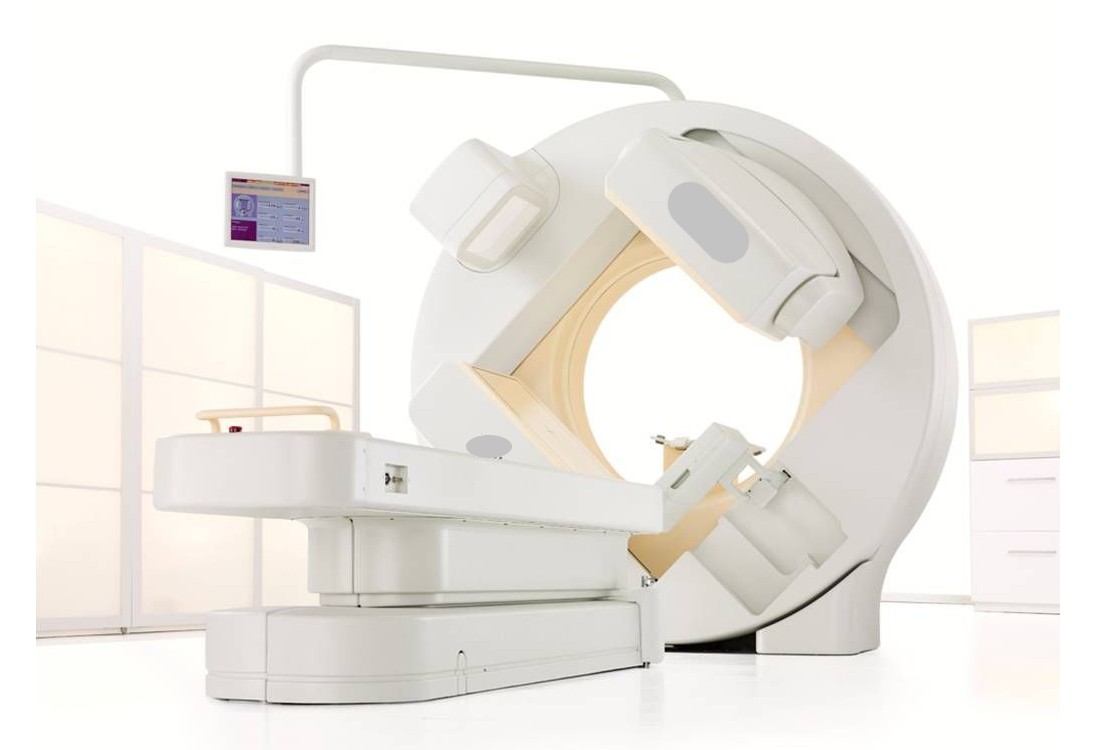
Canada’s nuclear medicine landscape is expanding as cardiac, and oncology programmes evolve. This growth is being increasingly tied to renewed investment in diagnostic imaging infrastructure. The 2025 federal health-capital allocation includes USD 3.7 billion over three years to support the upgrade of essential technologies, such as SPECT and SPECT/CT. Hospitals across Ontario, Alberta, and British Columbia are using these capital streams to replace aging gamma-camera fleets and introduce modern hybrid SPECT/CT systems that strengthen myocardial, bone, and oncology diagnostics.
Secondary and regional hospitals continue to rely on older SPECT units, limiting workflow efficiency and diagnostic consistency. This uneven distribution of modern SPECT/CT capacity remains a major system challenge and underscores the need for coordinated investment across care settings. As per Hospital Intel Suite (HiS), Ontario and Quebec represent over half of the national capacity. Alberta and British Columbia show rising adoption in secondary hospitals as hybrid imaging expands into cardiology and oncology workflows. Meanwhile, Atlantic provinces and Manitoba remain dependent on smaller secondary sites with limited modernization. The pattern reflects a system where advanced capacity is concentrated centrally, while emerging regions are only beginning to strengthen access.
Canada’s SPECT/CT landscape is shifting as provinces replace aging gamma-camera fleets and install new hybrid systems. Cardiac and oncology networks in Ontario, Alberta, and British Columbia are leading much of this upgrade activity. These changes are supported by federal funding for essential diagnostic technologies. Secondary and regional hospitals, which still rely on older SPECT units, represent the largest gaps in system performance. New reconstruction and dose-reduction techniques are improving the clinical capability of modern SPECT/CT platforms. This contrast between upgraded centers and sites using legacy systems shows where modernization is advancing and where renewal needs are still concentrated across Canada’s nuclear medicine services.