Malaysia MRI Market on the Move: Digital Upgrades and Diagnostic Expansion Define the Next Growth Wave

Submitted by admin on
images
Image
mt
categories
date
Description

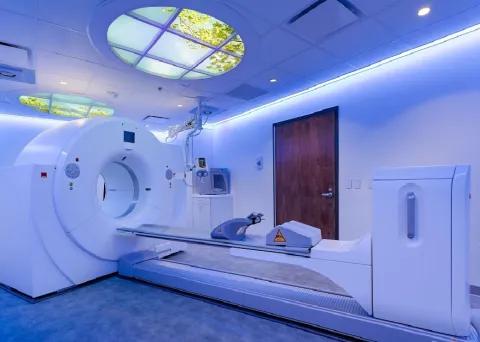
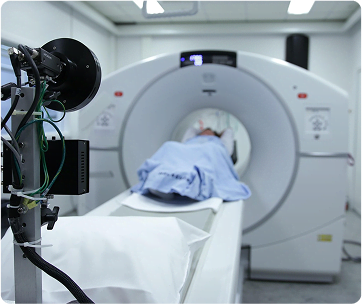
Malaysia’s healthcare system is scaling diagnostic capacity to meet rising clinical demand. Neurological, musculoskeletal, and cancer cases are expanding MRI workloads nationwide. The growing demand  for early detection and precision imaging is set to  reshape hospital priorities. Government investment and private participation are accelerating upgrades in Selangor, Penang, Johor, and Sabah. Major public hospitals such as Hospital Kuala Lumpur and Hospital Pulau Pinang remain diagnostic anchors, while private networks expand with AI-enabled MRI systems to enhance accuracy and throughput.


As per Hospital Intel Suite (HiS), the public sector accounts for more than 50 percent of MRI installations, comprising mostly 1.5T systems across tertiary and teaching hospitals. The private sector owns more than 20 percent, dominated by high-field 1.5T and 3T units focused on delivering premium imaging services. Hospitals are rapidly adopting AI reconstruction and automated workflow management to reduce scan times as well as improve reporting precision. These trends reflect a data-driven modernization wave aligning public and private capacity with national diagnostic standards.


Malaysia’s MRI market is now driven by rising clinical complexity, growing patient volumes, and the need for faster, more consistent imaging performance. Major hospitals continue to adopt advanced platforms with shorter scan times. Regions outside the central corridors work to close gaps in access and upgrade older equipment. These dynamics signal a broader modernization cycle shaped by expanding neurological, musculoskeletal, and oncological workloads. As more centers prioritize image quality, workflow efficiency, and sharper diagnostic accuracy, the demand for renewed MRI capacity will continue to strengthen, supporting deeper and more balanced access across the national network.

Cardiology, Capacity, and Care Equity: Canada’s SPECT/CT Market Enters a New Growth Phase

Submitted by admin on
images
Image
sc
categories
date
Description

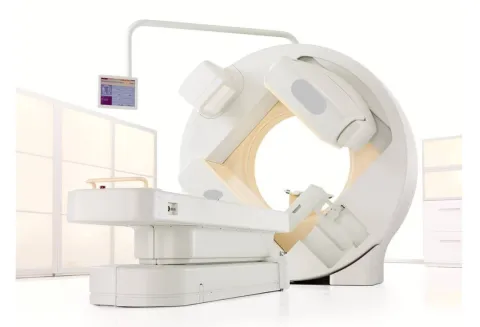
Canada’s nuclear medicine landscape is expanding as cardiac, and oncology programmes evolve. This growth is being increasingly tied to renewed investment in diagnostic imaging infrastructure. The 2025 federal health-capital allocation includes USD 3.7 billion over three years to support the upgrade of essential technologies, such as SPECT and SPECT/CT. Hospitals across Ontario, Alberta, and British Columbia are using these capital streams to replace aging gamma-camera fleets and introduce modern hybrid SPECT/CT systems that strengthen myocardial, bone, and oncology diagnostics. 


Secondary and regional hospitals continue to rely on older SPECT units, limiting workflow efficiency and diagnostic consistency. This uneven distribution of modern SPECT/CT capacity remains a major system challenge and underscores the need for coordinated investment across care settings. As per Hospital Intel Suite (HiS), Ontario and Quebec represent over half of the national capacity. Alberta and British Columbia show rising adoption in secondary hospitals as hybrid imaging expands into cardiology and oncology workflows. Meanwhile, Atlantic provinces and Manitoba remain dependent on smaller secondary sites with limited modernization. The pattern reflects a system where advanced capacity is concentrated centrally, while emerging regions are only beginning to strengthen access.


Canada’s SPECT/CT landscape is shifting as provinces replace aging gamma-camera fleets and install new hybrid systems. Cardiac and oncology networks in Ontario, Alberta, and British Columbia are leading much of this upgrade activity. These changes are supported by federal funding for essential diagnostic technologies. Secondary and regional hospitals, which still rely on older SPECT units, represent the largest gaps in system performance. New reconstruction and dose-reduction techniques are improving the clinical capability of modern SPECT/CT platforms. This contrast between upgraded centers and sites using legacy systems shows where modernization is advancing and where renewal needs are still concentrated across Canada’s nuclear medicine services.

Expanding Capacity and AI Readiness: Canada’s Mammography Market Advances Toward Digital Precision

Submitted by admin on
images
Image
mo
categories
date
Description

Canada’s healthcare system is intensifying efforts to strengthen breast cancer screening infrastructure as incidence continues to rise. Breast cancer remains the most common cancer among Canadian women. Screening demand is increasing due to early detection programs and an aging population. Provinces such as Ontario, British Columbia, and Quebec are modernizing their screening networks through renewed federal as well as provincial funding. The Canadian Breast Cancer Screening Initiative (CBCSI) is supporting policy alignment and equity goals. Upgrades to full-field digital mammography and tomosynthesis are helping reduce urban-rural disparities.


As per Hospital Intel Suite (HiS), Ontario, Quebec, and British Columbia together host more than 75 percent of Canada’s installed mammography systems, reflecting their strong academic networks and high screening volumes. This concentration highlights the need for renewed investment in other provinces to achieve broader access. Private diagnostic centers handle most outpatient screenings, while academic and cancer hospitals manage multi-unit fleets for advanced detection as well as clinical research. Meanwhile, mobile and hub-based screening models are extending outreach to underserved regions.


Opportunities are emerging as provinces replace older mammography units with lower-dose and higher-resolution systems. Many screening programs are also adopting AI-assisted triage to manage workload pressures and improve exam prioritization. Mobile and hub-based models remain essential for reaching northern and rural communities, where access gaps persist. These developments reflect a clear shift toward modernized digital screening infrastructure across Canada and highlight where renewal needs are most concentrated.

Malaysia CT Market: Data-Driven Modernization Shaping Diagnostic Readiness

Submitted by admin on
images
Image
ctt
categories
date
Description

Malaysia is entering a pivotal phase in diagnostic expansion as demand for CT rises alongside trauma, cardiac disease, and complex respiratory conditions. Both the Health White Paper 2023-2027 and the Hospital Services Transformation Blueprint 2024 call for faster emergency imaging, improved cancer pathways, and stronger geographic equity. These national directives respond to rising case complexity across Selangor, Johor, Sabah, and Sarawak, where hospitals increasingly rely on CT for acute triage as well as precision diagnostics. A system-wide push for faster turnaround and digital integration reflects Malaysia’s broader shift toward high-performance imaging.


As per Hospital Intel Suite (HiS), private sector controls more than two-thirds of installed CT units and forms the backbone of Malaysia’s imaging capacity across Klang Valley, Johor, Penang, Sabah, and Sarawak. Secondary hospitals contribute the largest share nationwide, while tertiary centers in key urban regions support complex cardiac, oncology, and trauma imaging. A sharp comparison appears between Kuala Lumpur and Selangor and the rest of the country. Klang Valley has significantly higher CT penetration than many states combined, reinforcing its role as the national diagnostic corridor. Public CT coverage is strongest in major specialist and state hospitals. It, however, remains limited in non-specialist sites, creating visible gaps across rural districts.


Malaysia’s radiography priorities are sharpening as adoption  rises in major hospitals and remote districts. Urban states are shifting faster to digital X-ray to be able to manage emergency demand and chronic disease volumes. Sabah and Sarawak continue to rely on ageing systems and long travel routes. These contrasts are accelerating a renewal cycle focused on stable, power-efficient equipment suited to varied clinical settings. As upgrades advance, the X-ray market is poised for steady growth driven by the demand for respiratory care and the need for stronger nationwide coverage.

Belgium CT Market: Modernisation Strengthened by Tertiary Networks and Private-Led Capacity

Submitted by admin on
images
Image
ctm
categories
date
Description

Belgium is entering a new phase of CT modernization as national reform plans for 2024 and 2025 focus on faster diagnostics as well as improved regional access. Rising trauma, cardiac disease, and cancer workloads increase reliance on high-resolution CT across both emergency as well as specialty pathways. The Federal Health Technology Plan continues to push for digital imaging upgrades, AI-supported decision tools, and lifecycle-based equipment renewal. These policies respond to increasing exam volumes in key provinces that depend on CT for acute care and complex case evaluation.


As per Hospital Intel Suite (HiS), tertiary hospitals account for the clear majority of installed systems and anchor high-complexity imaging in Antwerp, Brussels, Hainaut, Oost-Vlaanderen, and West-Vlaanderen. Private hospitals maintain far higher penetration than public institutions and drive most new installations, especially within large metropolitan corridors. University networks offer advanced subspecialty capability, while secondary hospitals contribute only a limited share, creating regional dependence on larger centers. Lower-density provinces show far weaker CT presence, resulting in heavier referral pressure and longer travel routes for advanced imaging.


These structural patterns are now shaping Belgium’s next modernization cycle. High-volume tertiary and university centers continue to prioritize faster spectral CT systems for trauma, oncology, and cardiac diagnostics. Regions with uneven penetration are moving toward stable, dose-efficient platforms designed to manage rising general imaging volumes. The private sector is accelerating refresh activity as older units approach replacement age, while public networks focus on strengthening state hospitals in provinces with limited access. This alignment of policy, demand, and infrastructure creates a defined growth opportunity for high-performance CT solutions supporting rapid emergency care, streamlined oncologic staging, and balanced regional access across Belgium.

Expanding Access Through Intelligence: Canada’s PET-CT Market Moves Toward Distributed Precision

Submitted by admin on
images
Image
pct1
categories
date
Description

Canada’s oncology and neurology networks are expanding hybrid-imaging capacity as provincial modernization efforts accelerate. In 2025, Kingston Health Sciences Center (KHSC) completed southeastern Ontario’s first PET-CT suite, supported through a USD 7.1 million investment from the provincial government and local donors. British Columbia is also advancing hybrid imaging through the BC Cancer-Vancouver Technology Transformation program. The initiative includes the installation of a new Quadra PET/CT scanner, the first of its kind in Canada. Alberta is moving in the same direction through an eight-year, USD 569.7 million provincial imaging modernization program. focused on upgrading and replacing cancer-specific diagnostic equipment. However, despite these initiatives, northern and Atlantic regions still have little or no permanent PET-CT access. These disparities persist even as modernization expands, underscoring the need for coordinated planning and deeper penetration of hybrid imaging across underserved zones.


As per Hospital Intel Suite (HiS), PET-CT distribution remains highly imbalanced. Ontario and Quebec host over 55 percent more PET-CT units than the rest of Canada combined, reflecting concentration in major tertiary centers. Northern territories account for less than 3 percent of national PET-CT capacity, with some regions lacking permanent scanners. Most systems remain clustered in academic hospitals, leaving secondary and regional facilities with minimal coverage.


Canada’s PET-CT landscape is being shaped by provincial investments that are expanding capacity beyond major academic centers. New installations in Ontario, British Columbia, and Alberta are increasing access in high-volume oncology and neurology programs. However, several northern and Atlantic regions still operate without permanent PET-CT services. These gaps are encouraging interest in hub-and-spoke models, shared suites, and mobile units to extend coverage in underserved areas. As modernization accelerates, PET-CT demand is becoming increasingly concentrated in regions with limited or delayed infrastructure, defining where future expansion will be most critical.

image
Medical Imaging

ACCELERATING MAMMOGRAPHY EQUIPMENT SALES IN APAC

Client: Global manufacturer of mammography and breast imaging systems 

Challenge Statement: The company faced challenges expanding its mammography footprint across APAC due to limited visibility of breast health infrastructure, centers of excellence, and mammography installed base. They also needed to understand brand preferences of hospitals for adjacent radiology modalities to identify high-potential targets and refine their marketing and sales prioritization. 

How Hospital Intel Suite Helped: Hospital Intel Suite provided granular insights into the breast health ecosystem across APAC, mapping centers of excellence, screening programs, and hospital-level mammography penetration. The platform delivered precise installed base data for mammography units and detailed market size estimates for replacement and new-install opportunities. 

To strengthen targeting strategy, brand affinity patterns of hospitals were analyzed across radiology modalities such as CT, MR, X-ray - helping the client identify hospitals more likely to adopt their mammography systems. Armed with this intelligence, the client optimized its segmentation, customized sales messaging for high-value hospital clusters, and significantly improved conversion rates across priority markets.

Digital Transition and Access Equity: Canada’s X-ray Market Strengthens Under National Renewal

Submitted by admin on
images
Image
cx
link
categories
date
Description

Rising cases of pulmonary and infectious diseases are increasing diagnostic demand across Canada, putting hospitals under pressure to deliver faster, more reliable imaging. In response, the X-ray market is expanding, with healthcare modernization reshaping diagnostic infrastructure. To meet the rising demand and replace outdated systems, federal and provincial governments are investing heavily in digital radiography (DR), mobile X-ray fleets, and teleradiology networks. Ontario Health’s USD 110.3 million. Community Diagnostic Centers plan, Alberta Health Services’ imaging equipment renewal projects , and British Columbia’s Infrastructure Program are key initiatives enhancing capacity and connectivity.


Despite these upgrades, access gaps persist. As per Hospital Intel Suite (HiS), Alberta operates nearly twice as many X-ray scanners as British Columbia, even though British Columbia has a larger population. Hospitals in northern Ontario, Manitoba, Saskatchewan, and the territories still rely on aging computed radiography (CR) systems, highlighting the ongoing need for equitable modernization. These uneven adoption trends are now shaping procurement priorities and creating targeted opportunities for system renewal.


As existing systems age and maintenance costs rise, the transition from CR to DR has become a strategic priority across Canada. This shift is generating strong opportunities for MedTech OEMs as hospitals look to improve imaging efficiency, speed, and interoperability. Approximately 60 percent of X-ray systems nationwide are now digitalized, although adoption remains uneven and is significantly higher in Ontario. Provincial investment programs in Alberta, British Columbia, and Atlantic Canada are accelerating this transition, while northern and rural regions continue to rely on older CR units. These differences are shaping renewal timelines and defining where demand for DR systems is most concentrated.

United Kingdom Mammography Market: Data-Driven Modernization and Evolving Screening Capacity Needs

Submitted by admin on
images
Image
mm
link
categories
date
Description

Breast cancer remains one of the United Kingdom’s highest-burden conditions, and a data-driven assessment shows that screening capacity continues to lag rising demand. Participation has fallen in several regions, and screening delays persist despite national investment under the NHS Breast Screening Program as well as the Diagnostics Recovery and Resilience Plan. Workforce shortages and aging equipment further slow throughput, especially in areas where imaging backlogs contribute to later-stage diagnosis as well as increased treatment costs.


As per Hospital Intel Suite (HiS), London, Manchester, Birmingham, and other major hubs account for more than 45 percent of total mammography units, forming the core of national screening activity. Smaller trusts in the Midlands, Wales, and Northern England operate far fewer systems, and over 28 percent of their installed units fall into older lifecycle categories. Private partners, such as mobile providers, supply supplementary coverage as well as operate routes that support rural and semi-urban populations. The distribution illustrates a system anchored in high-capacity NHS centers, balanced by mobile and shared service models that fill regional access gaps.


Breast cancer screening in the United Kingdom faces ongoing capacity and infrastructure-related challenges despite national programs and investment initiatives. Major urban centers conduct the bulk of screening activity, while smaller trusts operate fewer and older mammography units. This contributes to regional disparities in both access and throughput. Workforce shortages and equipment limitations continue to slow screening, particularly in areas with higher imaging backlogs, which may delay diagnosis and increase treatment burden. Supplementary coverage from private and mobile providers partially mitigates these gaps. However, persistent differences in system capacity and modernization highlight the need for continued focus on equitable, high-quality screening services across all regions of the United Kingdom.

Belgium MRI Market: Data-Driven Renewal Fueled by 2024–2025 Policy Momentum

Submitted by admin on
images
Image
bu
link
categories
date
Description

Belgium introduced new 2024-2025 imaging reforms designed to deliver faster diagnoses. These reforms support the Federal Health Technology Plan, promoting AI adoption, workflow upgrades, and fair regional access. They also prioritize renewal of aging MRI fleets nationwide. A Federal Health Institute (KCE/RIZIV) utilization review shows rising demand across all regions. MRI activity has increased by more than 20 percent in major centers since 2021. Oncology imaging volumes are also growing at 8-10 percent annually.
As per Hospital Intel Suite (HiS), Brussels, Leuven, and major Flemish hubs lead MRI supply. These centers account for over 55 percent of national scanners. Wallonia maintains broad access but slower renewal rates. Nearly 30 percent of scanners are more than seven years old. Academic hospitals manage the most complex MRI protocols. Community hospitals face rising queues from chronic disease growth. These disparities shape Belgium’s uneven modernization cycle.


Pressure on MRI pathways continues to mount as hospitals demand faster exams and higher-quality imaging. Many hospitals now seek quantitative tools that support precise oncology assessment and reduce reporting uncertainty. AI-supported reconstruction is improving turnaround times in busy centers. However, older scanners still limit workflow and image quality. System renewal has, therefore, become the next essential step in sustaining MRI performance.


Belgium’s recent imaging reforms, together with rising utilization data and the current age profile of MRI systems, point to a diagnostic infrastructure under growing pressure. Major centers are managing steadily increasing exam volumes, supported in part by strong oncology growth. Many hospitals operating older scanners continue to face limitations in image quality and workflow efficiency. Renewal has progressed more quickly in academic hubs than in community sites, resulting in uneven performance across regions. In this environment, fleet modernization is central to maintaining consistent diagnostic capability and achieving equitable, high-quality MRI services across Flanders and Wallonia.

Subscribe to Medical Imaging